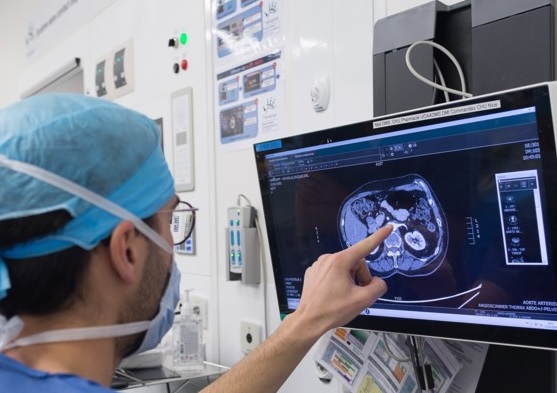
In Italy, there were 1.3 million fewer hospitalizations in 2020: 52.4% were medical, and 47.6% were surgical. These alarming figures, provided by the GIMBE Foundation and confirmed by a qualitative survey from ELMA Research, reveal that patients still avoid hospitals due to fear of contracting COVID-19. They feel isolated and disoriented due to lost contact with the healthcare system and difficulty navigating the diagnostic and treatment pathways. While these data pertain to the darkest period of the pandemic, the alarm should not go unnoticed. Even today, avoiding hospital facilities remains common among citizens, except in cases of extreme urgency.
What can (and must) be done to try to recover at least part of the lost time?
The answer is seemingly simple: we need to restore trust among citizens, improve reception, and guide them step-by-step within the facilities.
For this reason, indoor navigation is a rapidly growing topic in healthcare. Better reception and clear signage of safe paths make patients more willing to return to facilities, confident that they can avoid potentially dangerous areas and receive clear, instant, and comprehensive directions on where to go for services.
Positioning ecosystems also ensure better management of people flow within facilities, contributing to a perception of increased safety.
In general, our hospitals and clinics are much safer than they are perceived by the average user. However, to translate this perception into real awareness, it is essential to use new tools that guide patients through the screening process. While it’s not the only solution, data shows that facilities equipped with effective technological reception systems have significantly higher satisfaction rates and can provide a more attentive and comprehensive service that meets accessibility requirements.
The rest will be managed by awareness campaigns and our doctors, but it is now urgent to equip ourselves with tools that bring hospitals closer to their users. Screenings must rapidly return to pre-COVID levels, or we risk an influx of hospitalizations unrelated to the pandemic. Let’s avoid this risk and prepare ourselves. Technology allows us to do so. Now that intensive care units are emptying, let’s not risk another emergency.