Patient Transport in Healthcare Logistics

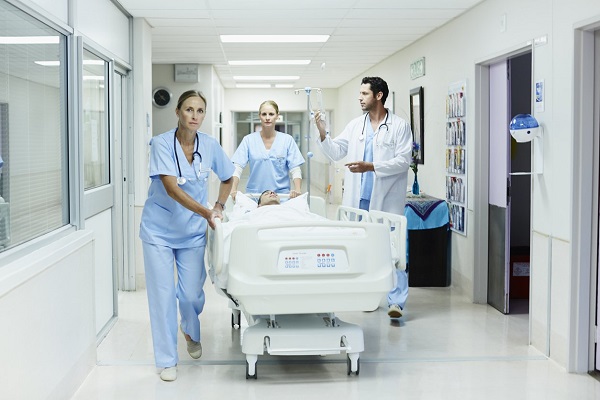
Patient movement often represents a potentially critical aspect in the daily management of healthcare facilities. This occurs dozens of times each day during routine care and therapeutic procedures or in emergency situations. The computerized management of patient transport requests within healthcare facilities (or clinics), designed and successfully implemented in various facilities by TapMyLife, schedules and manages transport requests among on-duty staff by entering them into a dedicated platform, automatically opening and closing transport missions.

PNRR Italy Launches: Health Mission

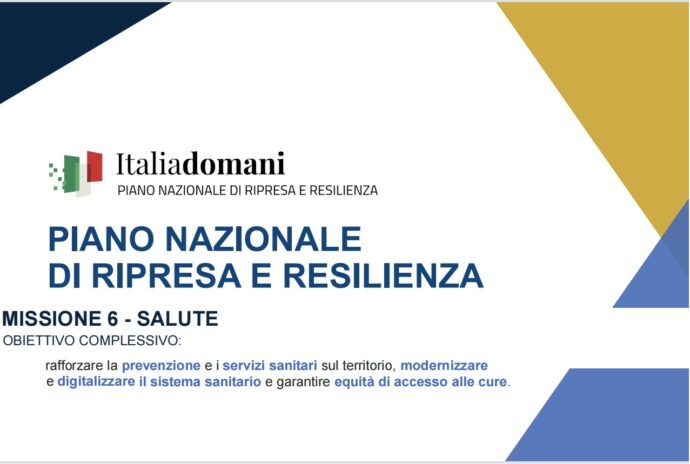
The creation of INTERCONNECTED ECOSYSTEMS is fundamental to achieving the investment and modernization goals for the Italian healthcare system. TapMyLife’s choice to develop its solutions using STANDARD TECHNOLOGIES now clearly represents the most reliable guarantee of COMPLIANCE for the solutions provided, as INTERCONNECTION is the KEY TO SUCCESS for COMPLEX AND AMBITIOUS PROJECTS like those of the PNRR.

ONLINE BOOKING & INDOOR NAVIGATION: THE WINNING CHOICE IN HEALTHCARE

The increase in online bookings has become increasingly evident with COVID. In some facilities, the percentage growth is in the double digits. This trend is a tangible sign of the digital maturity of users. But what happens once you arrive at the hospital? Often, people get lost navigating the complex layout of the facility. Indoor navigation adds completeness and greater substance to the system, providing a better user experience with immediate flexibility and unmatched cost-effectiveness compared to the past. Traditional signage is now largely outdated; indoor navigation is the new standard for hospitals and clinics that want to offer the best reception experience from the very first steps into the facility. Let’s not forget that “you never get a second chance to make a good first impression.”

First impressions last!

Third Dose, Green Pass, PNRR: Do We Really Want to Return to ‘Normal’

If we settle for a return to ‘normality’ in healthcare, we would be guilty of naivety and imprudence. We must aim to exit the emergency with technological acceleration and also address pre-Covid issues. The Italian healthcare system has proven to be resilient, but the system needs innovation. We must accelerate to make up for lost time and ensure excellent performance. It’s an ambitious goal for those content with mediocrity, but let’s ask ourselves one question: what do we want when we go to a hospital or clinic? Excellence, not ‘normality.’ The Italian healthcare system cannot settle for a return to the performance levels of 2018.

Safety, Security & Rehab Monitoring: The Valuable Allies in the Care Process

Patient safety and rehabilitation monitoring are already well-established realities in digital healthcare. Human error or distraction is always around the corner, especially under stress. Implementing these e-health solutions across all facilities is the challenge we must overcome to have more modern and welcoming hospitals and clinics where patient well-being and staff tranquility are guaranteed 24/7. Let healthcare professionals perform at their best: every citizen will benefit from it.

Business Intelligence in Healthcare: The Point of Intersection Between Apparently Parallel Lines

Can a complex and intricate system like healthcare learn anything from sectors such as automotive or industry in general? What could a hospital possibly have in common with a car manufacturing plant or a shopping center? At first glance, this question might seem odd or even disrespectful, but the reality is different and, in healthcare, it is closely related to excellence in the care process.

PNRR Healthcare: Measuring Health ROI to Avoid Wasting Resources

The NHS must establish a system for monitoring and evaluating the investments planned in the PNRR. Investments should be directed based on needs, certainly defining the necessary infrastructure and staffing standards, but ABOVE ALL THE STANDARDS OF PROCESS AND OUTCOMES. DIGITAL HEALTH, in a world where digital technology is now a foundational element of every productive activity, must be a condition for accreditation even for smaller facilities. Organization, monitoring, digital efficiency. If we adhere to these principles, improvements will be lasting, and the return on investment from PNRR funds will be evident to all of us every time we visit a hospital or care facility.

Planned hospitalizations halved in 2020: the necessary rush for healthcare

Covid, hospitals, healthcare, resilience during the pandemic, and exiting the acute phase. The upcoming challenges for healthcare are already pressing even before we have fully emerged from the emergency.

We should expect an increase in hospitalizations due to missed prevention or worsening of existing conditions. This is the residual impact of Covid that we must not let overwhelm us, and it is important to start thinking now about a healthcare system capable of improving performance.

Reducing Costs and Increasing Management Efficiency in Healthcare? With ‘Tracking Assets,’ It’s Possible

Currently, statistics show that the rate of “untraceable” devices in hospitals and nursing homes is estimated at around 10-15% of the total. This is a high rate that leads to managerial inefficiencies and the wastage of valuable resources. The Tracking Assets solution from TapMyLife’s platform reduces costs by 70% compared to RFID management and natively integrates business intelligence actions for rationalizing usage or purchasing devices.